I Read 20+ Articles About Bemotrizinol Sunscreen (BEMT) So You Don’t Have To
- Big SPF News, Simplified.
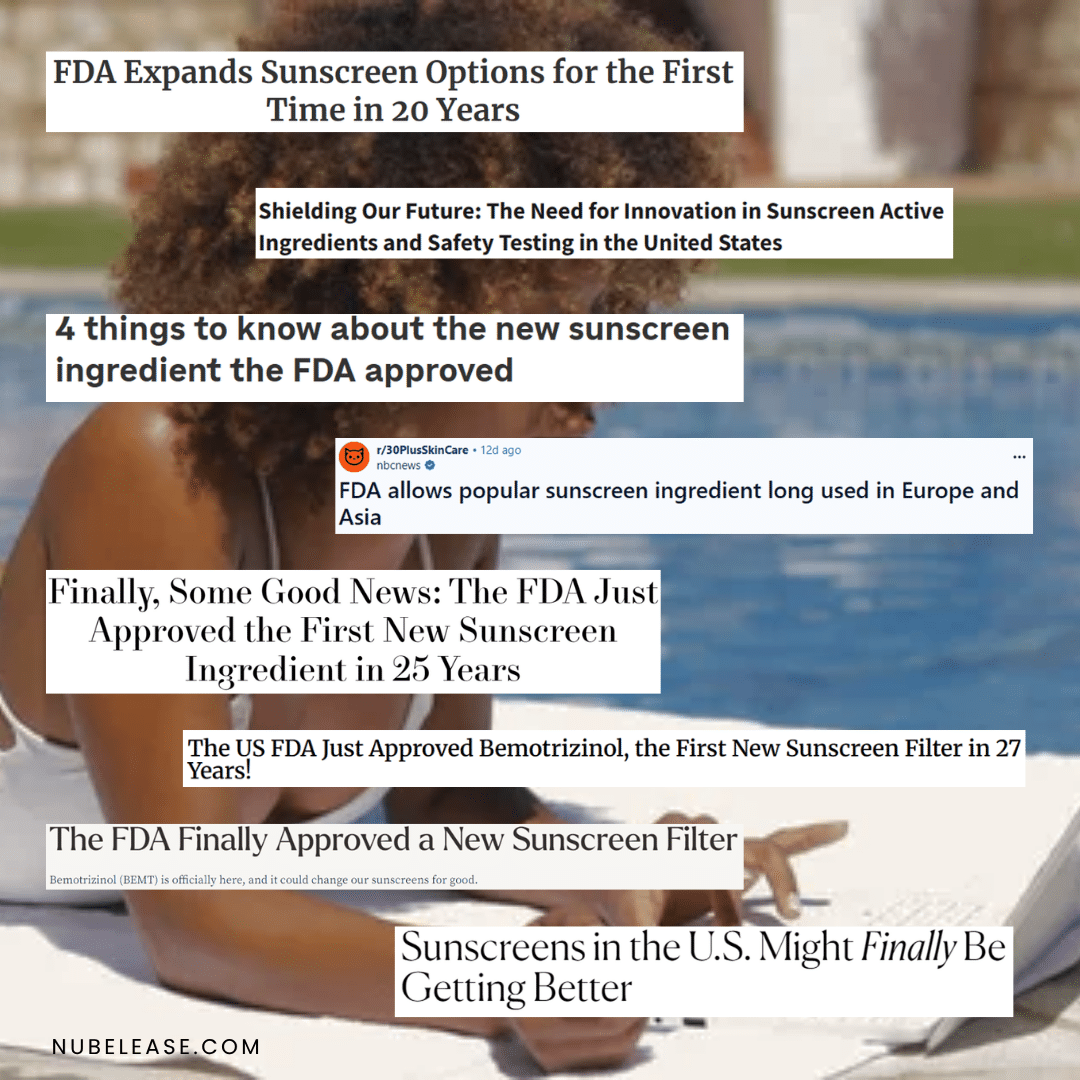
If you’ve spent any time on skincare TikTok (SkinTok), sunscreen Reddit, or Magazine websites lately, you’ve probably seen people talking about Bemotrizinol Sunscreen (BEMT). The newly approved sunscreen filter has quickly become one of the biggest beauty stories of the year, with dermatologists, beauty editors, and sunscreen enthusiasts all weighing in on what it means for the future of SPF in the United States.
After reading more than 20 articles, digging through studies, and comparing what those experts and beauty publications are actually saying, I noticed something interesting: most people are asking the same questions.
What is BEMT? Why is everyone excited? And when can I actually buy it?
So let’s break it down.
Why Is Everyone Suddenly Talking About BEMT?
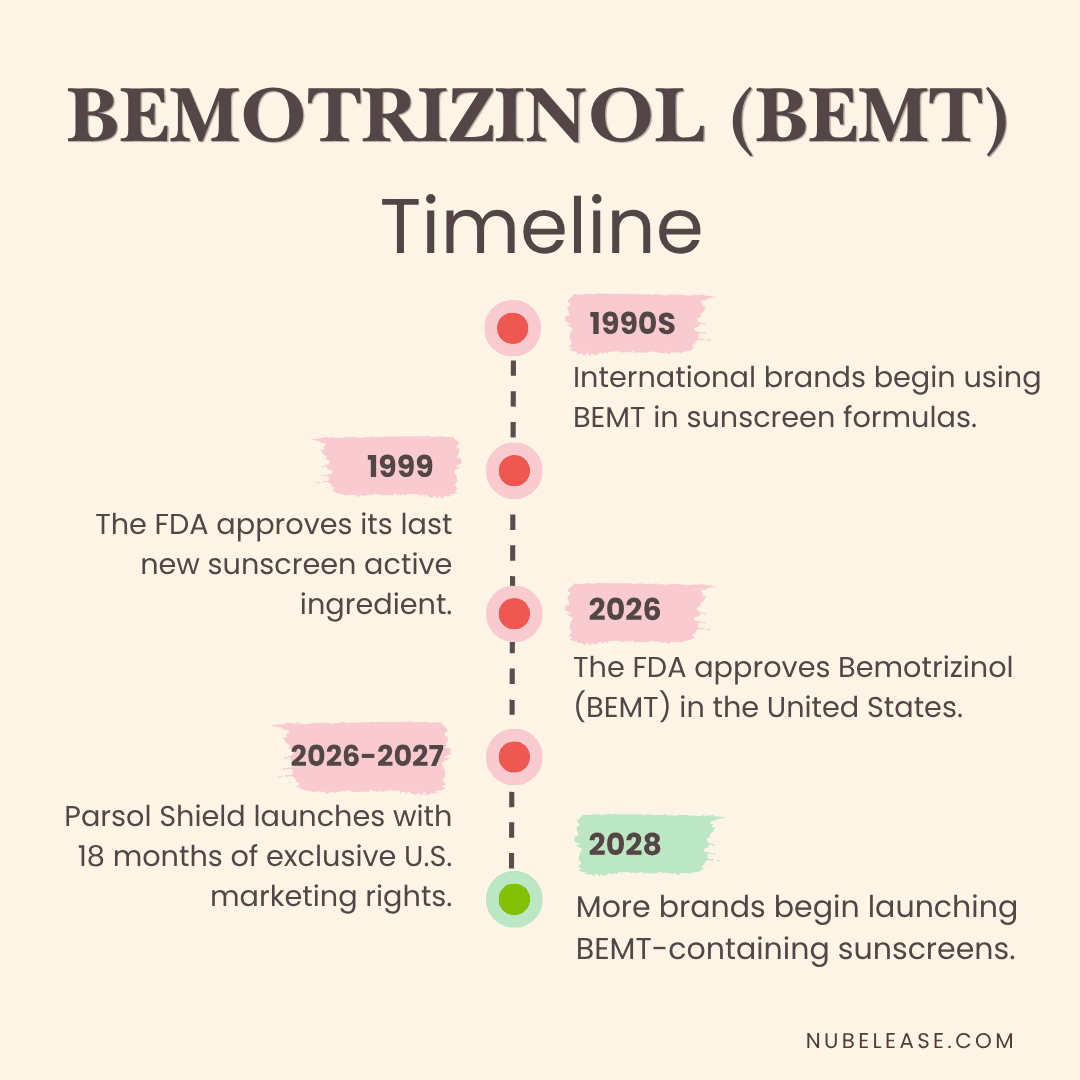
BEMT, short for bemotrizinol and also known internationally as Tinosorb S, is the first active ingredient sunscreen approved by the FDA in more than two decades. The last active ingredient for sunscreen was approved by the FDA back in 1999. (FDA)
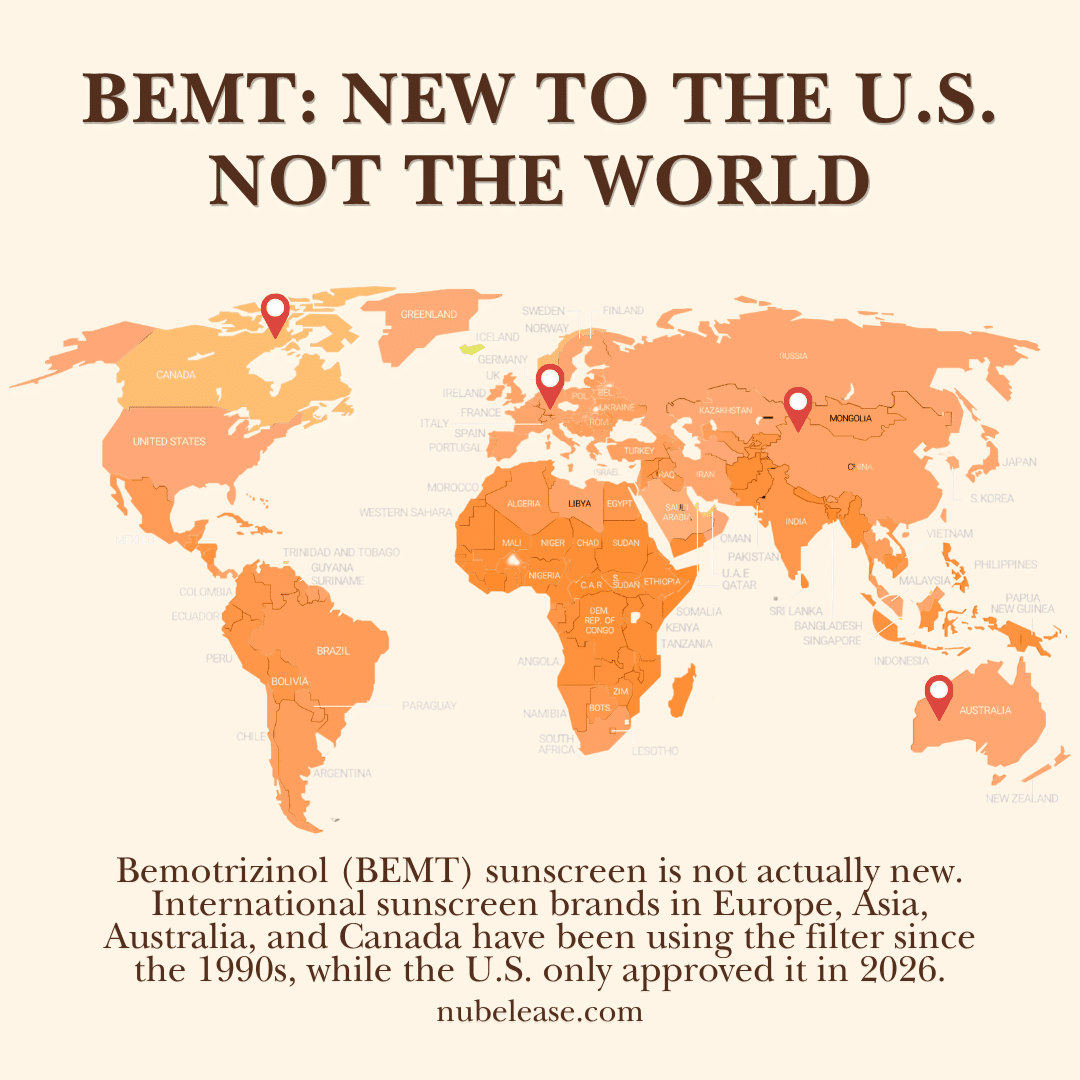
But the excitement isn’t really about the fact that BEMT is new. It’s the fact that it’s new to the United States.
Beauty lovers in Europe, Asia, Australia, and other international markets have already been using BEMT sunscreens since the late 1990s (Allure, Refinery29, NPR).
BEMT is a chemical sunscreen filter that helps protect against both UVA and UVB rays. It’s also photostable, meaning it doesn’t break down quickly when exposed to sunlight, which is one of the reasons sunscreen experts have been eager to see it approved in the U.S. market. (FDA, C&EN)
The Goal Isn’t More Filters, It’s Better Sunscreen
This is where I think the conversation gets more interesting. The goal isn’t for the U.S. to collect sunscreen filters like Pokémon cards. The goal is better sunscreens, right?
One of the reasons experts are excited about BEMT is that it’s a chemical sunscreen filter that behaves differently than what we currently have in the U.S. While it’s technically a chemical sunscreen, it works more like a mineral sunscreen by helping block UVA and UVB radiation before it penetrates the skin. (Derm Digest, Harper’s Bazaar)
That’s important because brands can pair BEMT with mineral filters like zinc oxide to create hybrid formulas. In theory, that could mean sunscreens that still offer the benefits of mineral SPF while reducing some of the white cast and irritation issues that make people avoid wearing them in the first place.
That’s ultimately what matters.
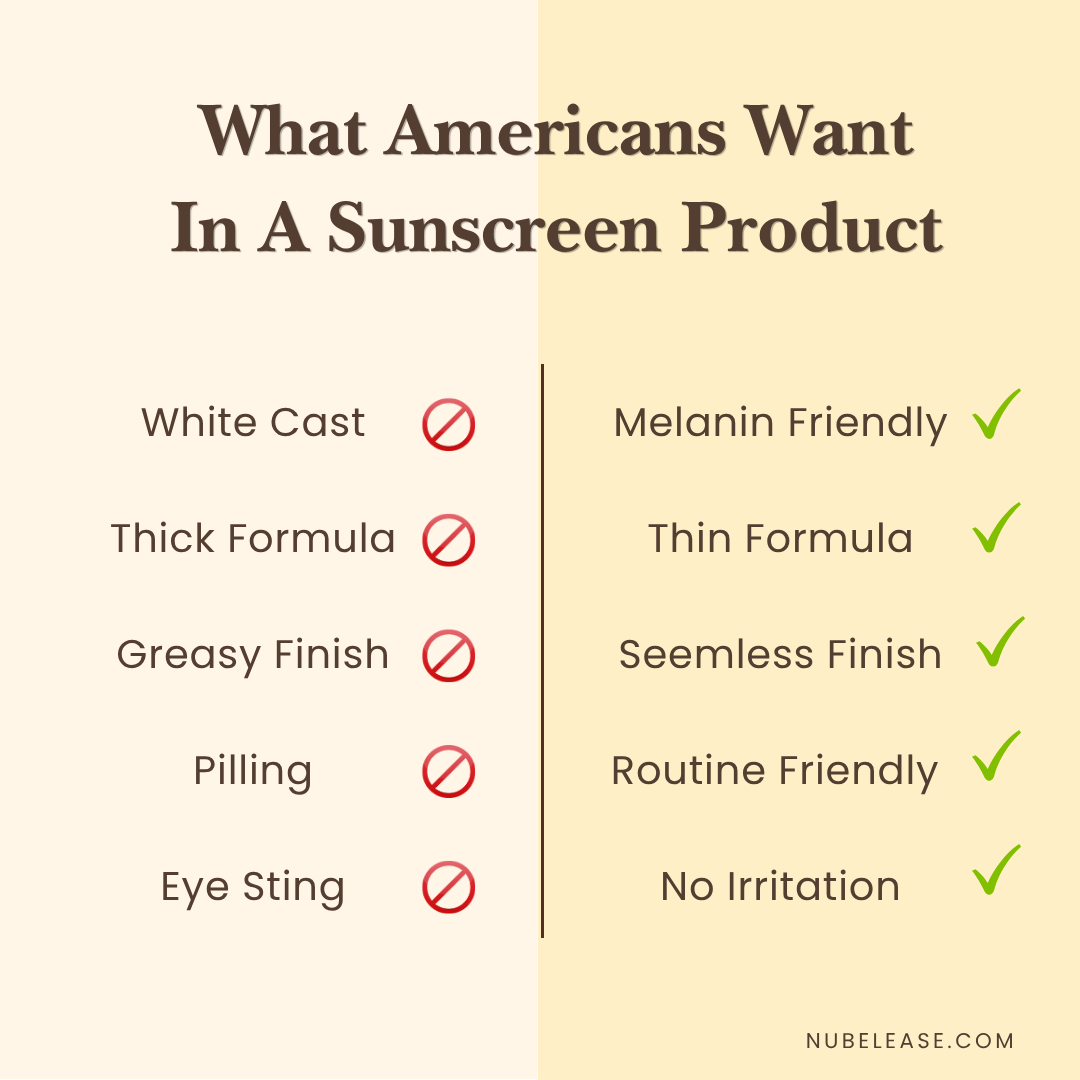
Most consumers don’t care what sunscreen filter they’re using. They care whether the product feels good on their skin, works under makeup, doesn’t sting their eyes, and doesn’t leave them looking like a ghost.
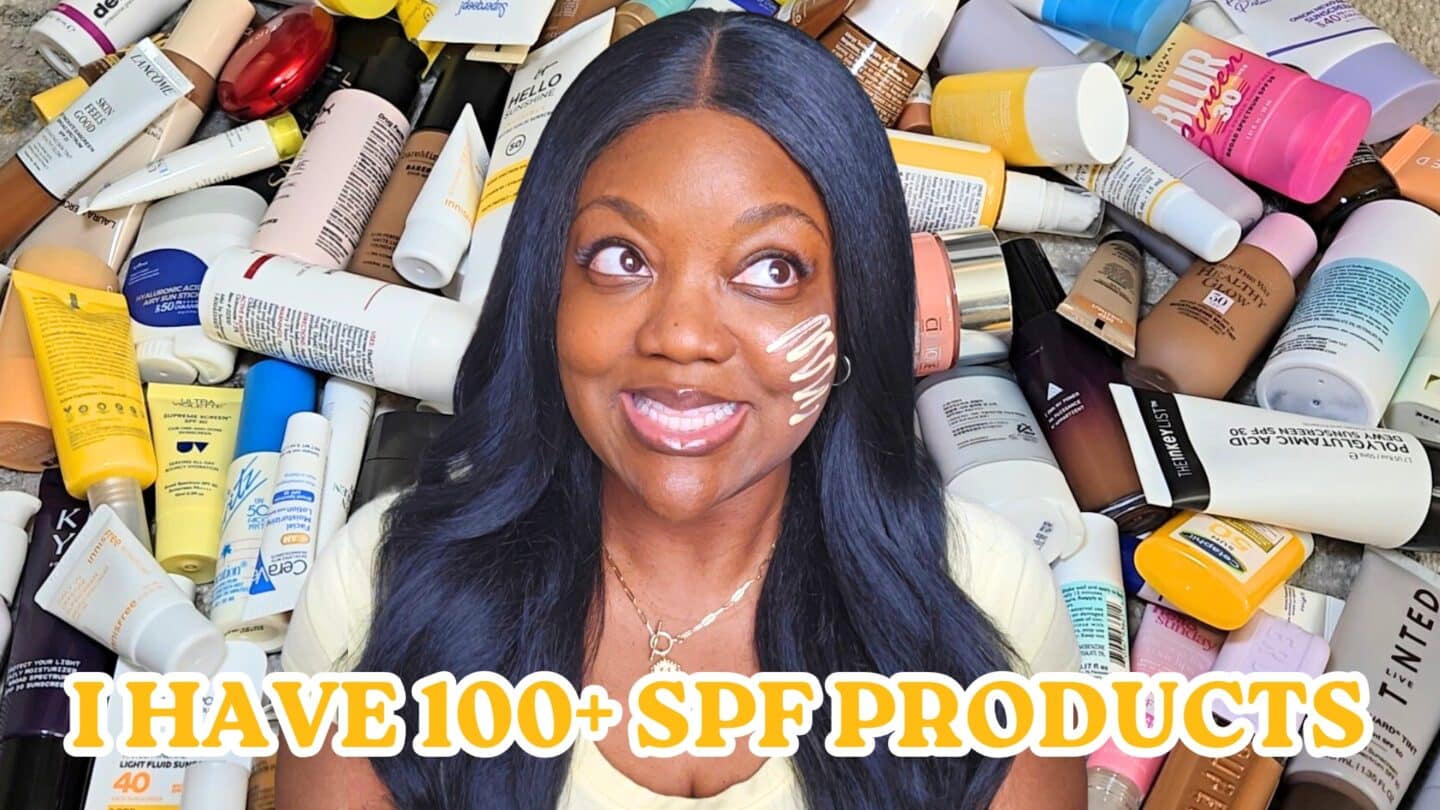
What I’ve Learned After Testing 100+ Sunscreens
After testing more than 100 sunscreens, I’ve learned that most people don’t stop wearing sunscreen because they don’t understand SPF. They stop wearing sunscreen because they don’t like wearing it.
That’s why BEMT is interesting to me. But because it gives brands another tool to potentially create sunscreens that people actually enjoy wearing.
If you’re trying to build a sunscreen routine that works for your lifestyle, check out these posts:
- The Truth About the Best Sunscreens (I Tried 100+ SPFs)
- The Best Sunscreens You Can Buy Right Now (And Actually Use)
- I Put the “Best Sunscreens for Every Skin Type” to the Test…Let’s Talk
- How to Reapply Sunscreen Over Makeup: The Methods, The Mess & What Works for You
Where To Buy Bemotrizinol Sunscreen Right Now
As of June 2026, you won’t find many U.S. sunscreens containing BEMT because manufacturers are just starting to gain access to the ingredient. If you’re curious about trying BEMT today, your best bet is looking at international sunscreen formulas that already contain it. Some can be purchased through international beauty retailers like: YesStyle, CareToBeauty and Stylevana.
Brands already using BEMT internationally include*:
- Ultra Violette
- Naked Sundays
- La Roche-Posay
- Bioderma
- Eucerin
- Caudalie
- Beauty of Joseon
- Purito
- Medik8
- Hello Sunday
*Availability varies by retailer and country.
When Will BEMT Actually Be Available in the U.S.?
The answer is: not as quickly as social media might make it seem.
DSM-Firmenich currently holds 18 months of exclusive marketing rights for bemotrizinol in the United States. During that period, the ingredient will be marketed under the name Parsol Shield. (DSM-Firmenich, NPR, WLTX)
Basically, broader adoption of BEMT by other brands likely won’t begin until sometime in 2028. Some brands already have formulas in development, though. According to Business Insider, Dieux has been working on a sunscreen for years and expects its BEMT-containing formula to launch around 2028.
Some brands already have formulas in development, while others may still be years away from launching products containing BEMT. (Women’s Health, Business Insider). Sunscreen development takes time though, and unlike launching a new lip gloss or moisturizer, brands can’t afford to rush SPF formulas.
Quick Answers About BEMT
Still have questions about BEMT? You’re not alone. These are some of the most common questions beauty lovers are asking right now, along with the answers I found during my research.
What is BEMT?
BEMT stands for bemotrizinol, a broad-spectrum chemical sunscreen filter that protects against both UVA and UVB rays. It’s also known internationally as Tinosorb S.
What new sunscreen ingredient did the FDA approve?
The FDA recently approved bemotrizinol (BEMT), making it the first new sunscreen active ingredient approved in the U.S. in more than 20 years (since 1990). (FDA)
Is BEMT a chemical or mineral sunscreen?
BEMT is a chemical sunscreen filter. However, many experts point out that it behaves differently than traditional chemical filters because it helps block UVA + UVB radiation, similar to mineral sunscreen. That’s one reason brands are excited about pairing it with ingredients like zinc oxide to create more wearable (non-white cast) hybrid formulas. (Derm Digest, Harper’s Bazaar)
What is Parsol Shield?
Parsol Shield is the trademarked U.S. name being used by DSM-Firmenich the company that basically owns bemotrizinol (BEMT) during its exclusivity period of 18 months. (DSM-Firmenich)
What are the best BEMT sunscreens?
Some of the most popular options currently include La Roche-Posay Anthelios UVMune 400, Beauty of Joseon Relief Sun Aqua Fresh, Purito Daily Soft Touch Sunscreen, and products from Ultra Violette and Naked Sundays.
Here’s the Thing
After reading more than 20 articles, the biggest takeaway wasn’t that BEMT is a miracle ingredient or that sunscreen is about to change overnight. The biggest takeaway is that beauty lovers will have more options.
And after testing more than 100 sunscreens myself, I’ve learned that more options are usually a good thing. The best sunscreen isn’t necessarily the one with the newest filter or the most advanced technology. It’s the one you’ll happily wear every single day. BEMT won’t solve every sunscreen complaint overnight, but it could help brands create formulas that feel better, wear better, and work for more people. And that’s something worth paying attention to.